

Whose Nave Is It Anyway?
On sacred space and what the Church’s buildings are really for
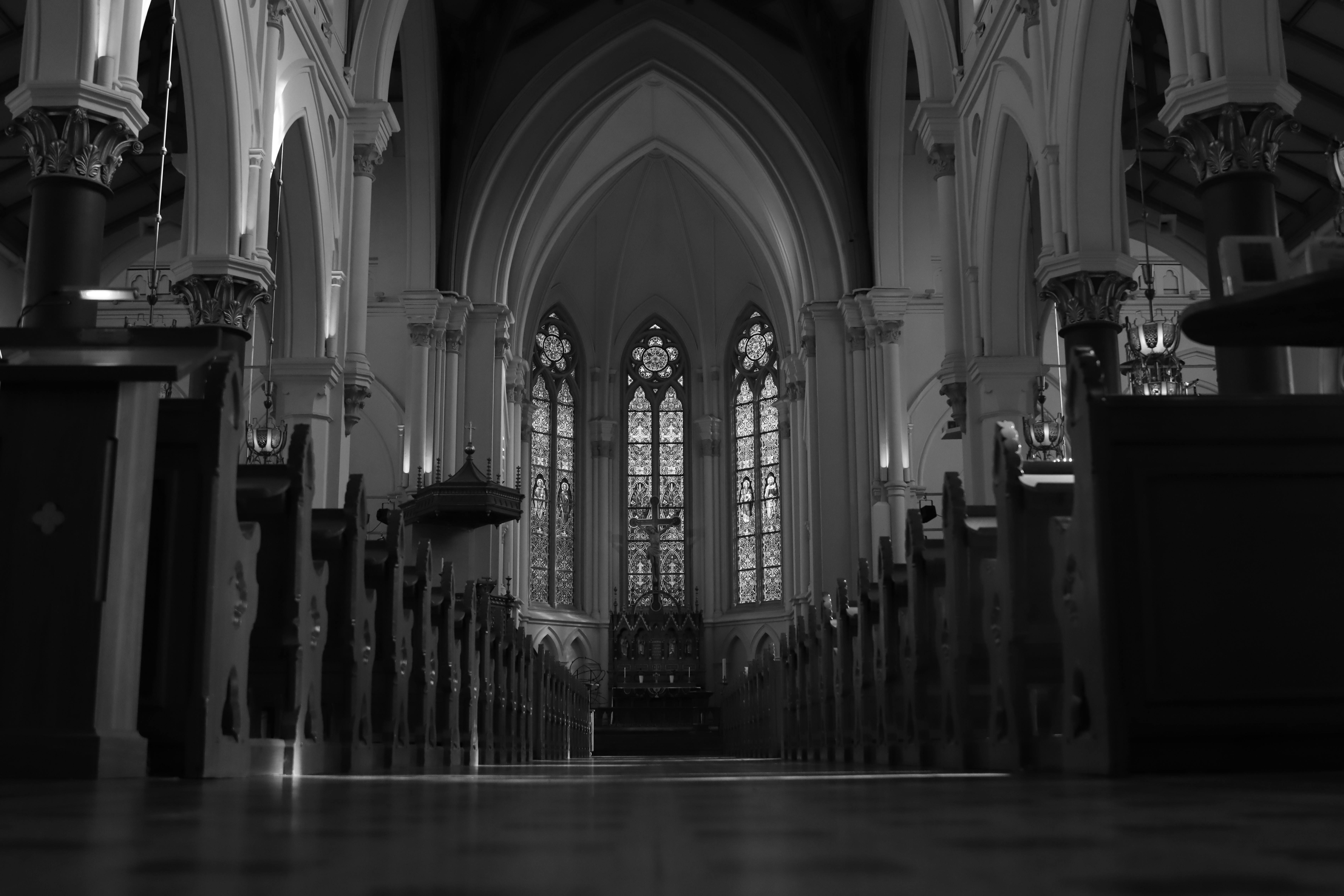
A couple of weeks ago I wrote a post that drew more comment than I’d expected — some of it warmly supportive, some rather less so. What struck me most wasn’t the disagreement itself (that’s always healthy), but how many readers seemed to miss my main point. I wasn’t laying down a moral law about what should or shouldn’t happen in our naves. I was arguing for something else: that we ought to have a proper conversation about how these spaces are used.
That conversation, as far as I can tell, hasn’t really ever happened.
That conversation, as far as I can tell, has hardly ever happened. When Canterbury Cathedral hosted its recent graffiti exhibition, reactions ranged from delight to despair. Some saw it as creative engagement; others as desecration. The same happens whenever a church hosts a dinner, market, or the much-mocked “silent disco”. I was once criticised for holding a community harvest supper in the nave of Brecon Cathedral. Amid all this noise, few pause to ask why we use our naves as we do, or what we believe a nave is for.
The Burden of Necessity
Before we can even begin that conversation, it’s worth naming two opposing instincts—so that we can then set them aside.
The first, common among advocates of expansive nave use, treats footfall as a sufficient good. If an event brings people through the doors—especially those who might never otherwise enter—a dinner, disco, or exhibition is justified. But numbers alone are a poor measure of faithfulness. Plenty of crowd-pulling activities would be unthinkable: a football match, a partisan rally, a bawdy comedy night.
At the other extreme are those who ignore practical realities. For most churches, using the nave for secular or semi-secular purposes is driven by necessity, not novelty. Historic buildings are costly to maintain, and many parishes have no hall or side-room. If naves were reserved strictly for worship, countless churches would close within years. Small congregations and dwindling giving simply can’t cover the bills—or even the heating.
Neither impulse—commercial pragmatism nor purist idealism—settles the question. If our parishes were well funded or our congregations flourishing, we might never face it. But as things stand, the nave has become the fallback space for everything from parish suppers to ABBA extravaganzas.
Meeting, Use, and Meaning
While medieval evidence for markets inside churches is thin, the nave was clearly the people’s part of the building — both literally and symbolically. Canon law and architecture drew a line: the chancel, maintained by the rector and dedicated to the altar; the nave, maintained by the parishioners for common use. It was not only where people sat, but where they belonged.
Yet the assumptions behind that shared space were very different from ours. In the Middle Ages, almost every part of life — commerce, festivity, worship — was framed by a Christian imagination. There was no “secular” world as we understand it. When a nave hosted a feast or meeting, it wasn’t breaching sacred space but expressing a world in which sacred and social life were intertwined.
Such uses were overwhelmingly local. The people who gathered for markets or guild-feasts were the same who were baptised, married, and buried there. Today, that overlap has gone. When churches host corporate dinners or concerts, the attendees are rarely part of the worshipping community. These events are seldom acts of belonging; they’re business. Claims that such ventures are “missional” ring hollow. There’s little evidence that hiring out sacred space brings anyone closer to faith.
You can test the motive easily: look at what’s permitted when money isn’t involved. Churches rent their naves for high-paying corporate dinners, but how many host free meals for the hungry? Far more energy goes into using sacred space to court donors than to serve the poor. That’s why commercial use can feel wrong: it treats the nave as a backdrop for profit, not as a gift for the people.
Our ambivalence about sacred space isn’t new. In sixteenth-century Geneva, Calvin discouraged private prayer in churches outside set times of worship, fearing superstition. A century later, some Parliamentarian troops notoriously stabled horses in churches — acts of contempt rather than policy.
Anglicans have tended to strike a middle course, resisting both the veneration of holy places typical of Catholic and Orthodox practice and the reduction of churches to mere functional halls. The instinct has always been to treat them with dignity — not only because they’ve been dedicated to God, but also because these buildings have been hallowed by generations of prayer and worship.
The Form of Consecration in the 1928 American Book of Common Prayer puts it neatly when it states that churches are:
“erected for the public worship of God, and separated from all unhallowed, worldly, and common uses, in order to fill men’s minds with greater reverence for his glorious Majesty, and affect their hearts with more devotion and humility in his service; which pious works have been approved of and graciously accepted by our heavenly Father.”
In England and Wales, that dignity also honours generations of the dead. The memorials that line our walls aren’t mere decoration; they remind us of the faithfulness of others and quietly summon our own.
The Nave as Gift
So what do we make of the nave now? I suggest we think of it as a gift — handed down, held in trust, and offered for use. A gift can be shared and celebrated, but it isn’t a resource to exploit.
To speak of the nave as gift changes the conversation. A gift binds giver and receiver in relationship. The church building isn’t simply ours to manage; it’s something we inherit from those before us, and something we’ll pass on — hopefully intact — to those who come after. In this sense, the building itself teaches habits of faith: received, tended, and handed on.
That’s why both indifference and possessiveness miss the mark. To see the nave as “just a venue” forgets the prayers and sacrifices that have imbued it with life. To claim it as private property betrays its openness as the people’s place.
Seen this way, the question of use becomes one of fittingness. Some activities enlarge the gift; others diminish it. A parish concert, harvest supper, or Christmas market that’s rooted in local friendship, can deepen belonging and give thanks for shared life. A slick commercial event that treats the space as a neutral backdrop for profit subtly unravels that gift, turning a place of grace into a rented venue.
The nave’s gift lies in its doubleness: its capacity to hold both the sacred and the social, worship and welcome, prayer and conversation. Its very architecture embodies that tension — a long, open hall that draws the eye toward the altar, yet opens outward to the world. We should be wary of uses that collapse that tension, either by turning the nave into a theatre of commerce or by freezing it into a museum of piety. But uses that gather people in gratitude, generosity, and joy — even if not overtly religious — can still honour the God who gives the gift.
To treat the nave as a gift is also to recover reverence — not the hushed awe of veneration, but the attentiveness that springs from love. Affection, after all, is a form of reverence: the kind that makes a community care, mend, and preserve. When neighbours, worshippers or not, cherish their church building, they participate in its holiness. To love the nave is already to glimpse what it signifies — a space where heaven and earth meet, and where God still gathers his people in grace.
I really enjoyed listening to your thoughts on this subject